 Catalogue PIGMA
Departamento de Oceanografia, Universidade Federal de Pernambuco, Recife, 50670-901, Brazil
Type of resources
Available actions
Topics
Keywords
Contact for the resource
Provided by
Years
Formats
-
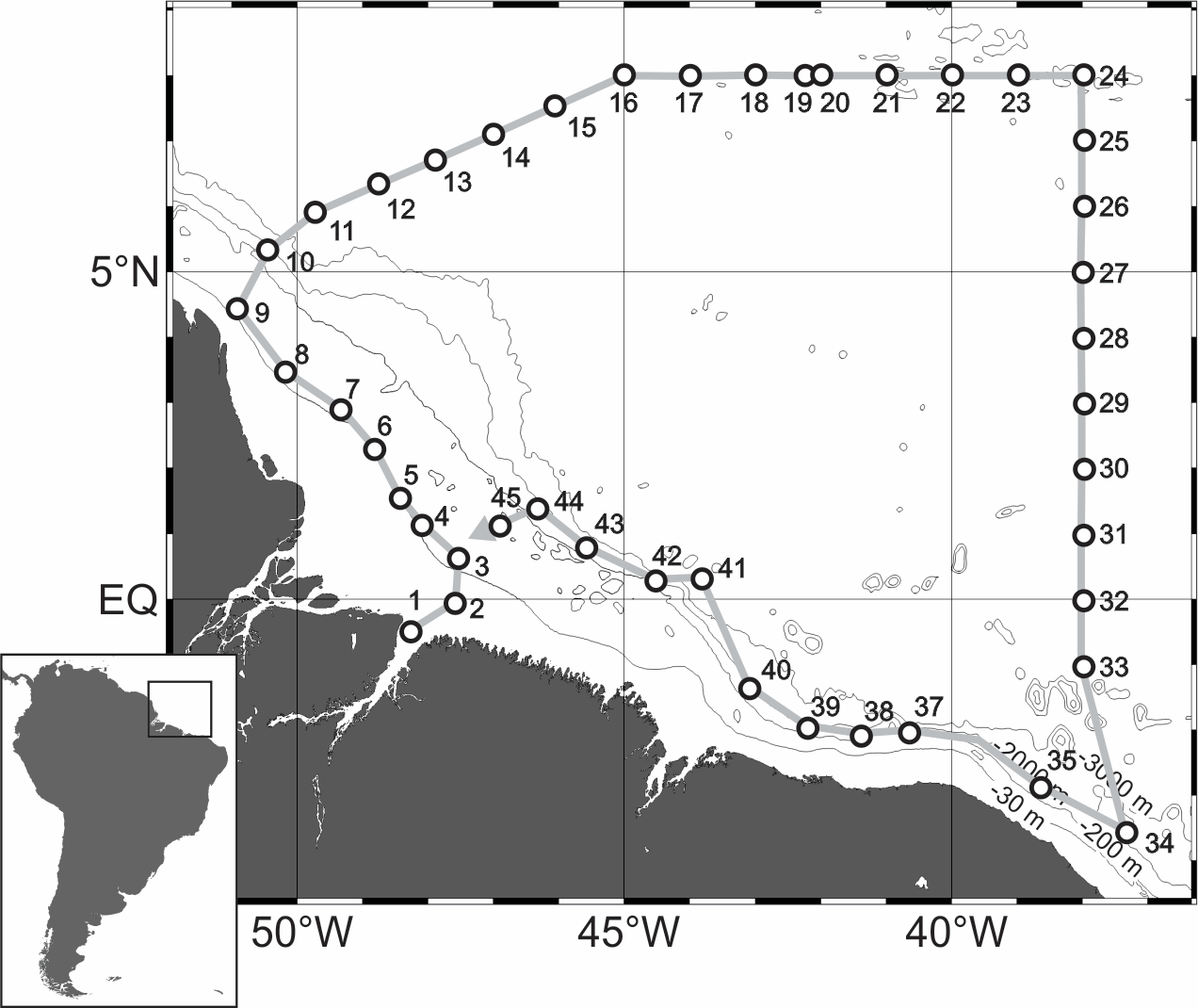
Abundance data (individuals.100 m-3) of planktonic cnidarians collected during the Camadas Finas III oceanographic cruise along the North Brazilian continental shelf between the Amazon and Oyapok river mouths and equatorial Atlantic oceanic waters between 8°N, 51°W and 3.5°S, 37°W. Data was obtained during the oceanographic cruise Camadas Finas III, aboard the research vessel NHo. Cruzeiro do Sul - H38 (DHN/Brazilian Navy), performed in 9-31 October 2012. Planktonic cnidarians were sorted from zooplankton samples collected at at 44 stations in oblique hauls, using Bongo nets with 120 and 300 µm mesh and 0.3 and 0.6 m mouth diameter, respectively. The water column was sampled from near the bottom to the surface over the continental shelf and from 200 m to the surface in the offshore. The net was towed at approximately 2 knots, at various times of day and night.
-
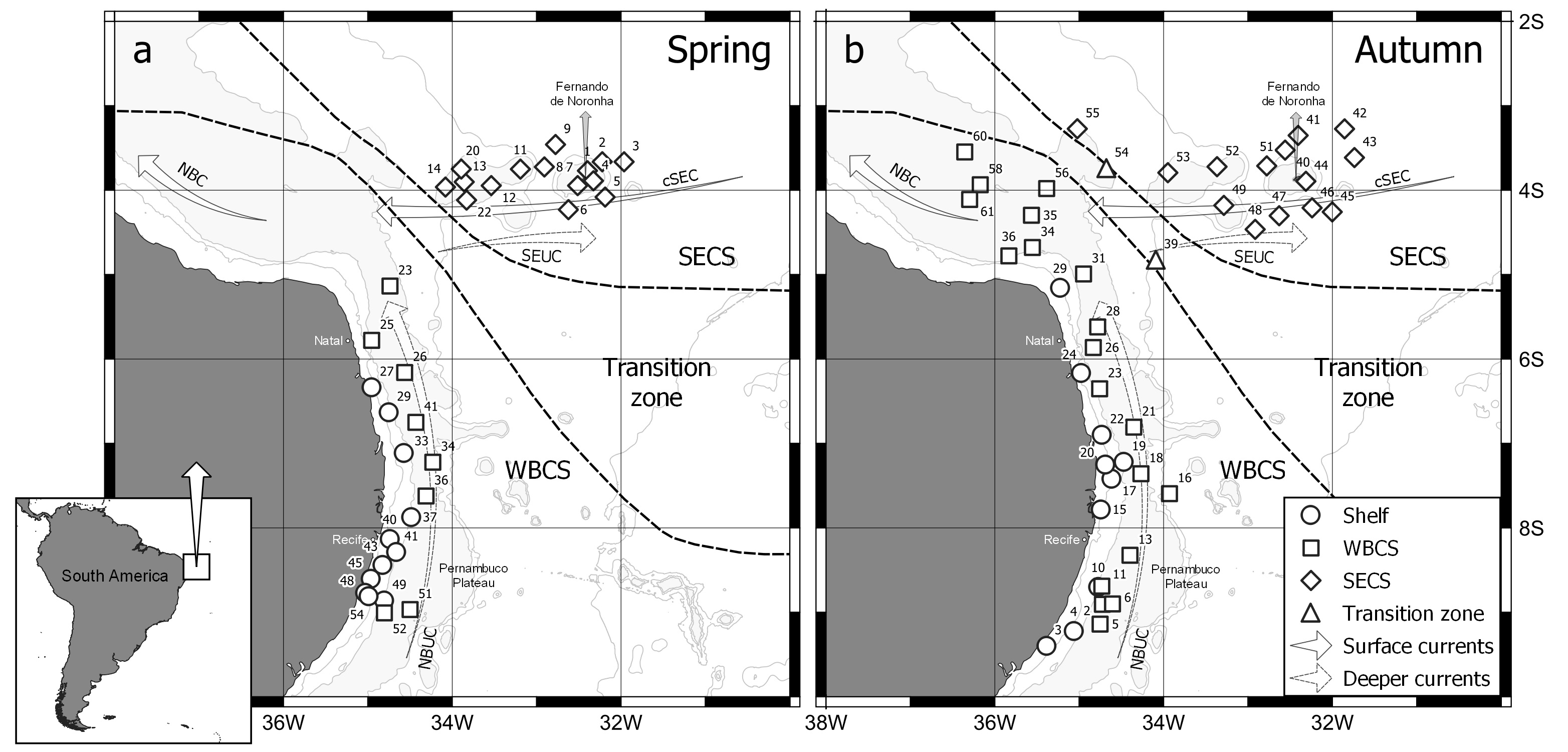
Abundance data (individuals.100 m-3) of planktonic cnidarians collected during two “Acoustics along the Brazilian coast” surveys (ABRACOS 1 and ABRACOS 2) performed along the northeast Brazilian continental shelf and slope between 5 and 9° S and around oceanic seamounts and islands from Fernando de Noronha ridge, including the Fernando de Noronha Archipelago itself and the Rocas Atoll. The surveys were carried out on board the French oceanographic vessel R/V Antea in austral spring (September–October 2015) and autumn (April–May 2017). Planktonic cnidarians were sorted from zooplankton samples collected at 34 and 45 stations in spring and autumn, respectively. Samples were collected through oblique hauls, with a Bongo net with a 300 µm mesh size and 0.6 m mouth opening. The water column was sampled from near the bottom to the surface over the continental shelf and from 200 m to the surface in the offshore. The net was towed at approximately 2 knots, at various times of day and night.
-
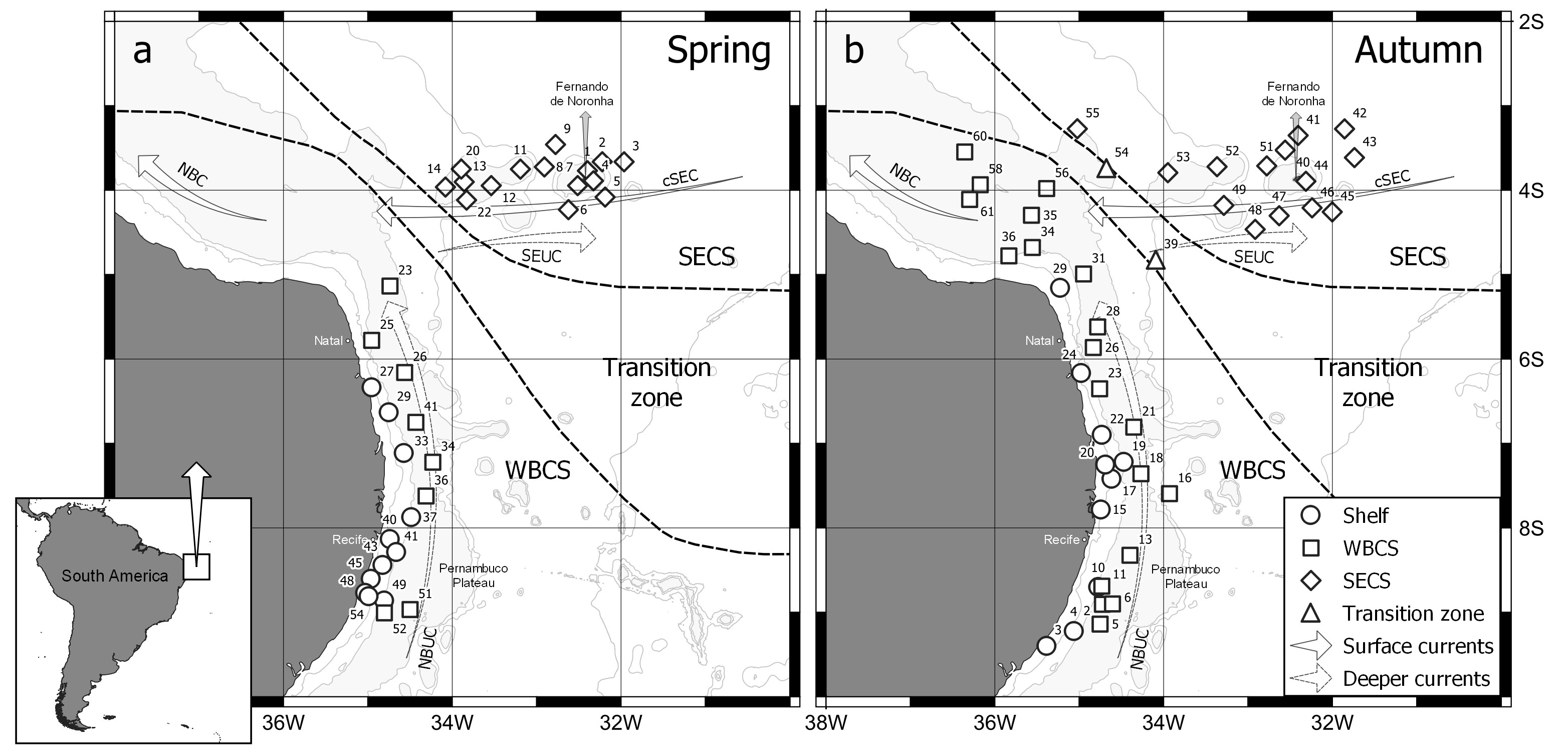
Abundance data (individuals.m-3) of large microzooplankton assemblages collected during two “Acoustics along the Brazilian coast” surveys (ABRACOS 1 and ABRACOS 2) performed along the northeast Brazilian continental shelf and slope between 5 and 9° S and around oceanic seamounts and islands from Fernando de Noronha ridge, including the Fernando de Noronha Archipelago itself and the Rocas Atoll. The surveys were carried out on board the French oceanographic vessel R/V Antea in austral spring (September–October 2015) and autumn (April–May 2017). Planktonic cnidarians were sorted from zooplankton samples collected at 34 and 45 stations in spring and autumn, respectively. Samples were collected through oblique hauls, with a Bongo net with a 64 µm mesh size and 0.3 m mouth opening. The water column was sampled from near the bottom to the surface over the continental shelf and from 200 m to the surface in the offshore. The net was towed at approximately 2 knots, at various times of day and night.