 Catalogue PIGMA
XLS
Type of resources
Available actions
Topics
Keywords
Contact for the resource
Provided by
Years
Formats
Representation types
Update frequencies
status
Resolution
-

All statistics of UNCTAD are harmonized and integrated into UNCTADstat- free to use dissemination platform. It gives access to basic and derived indicators built upon common rules, harmonized environment and clear methodology supported by powerful data browsing system. The statistical series are regularly updated and classified into easy-to-navigate themes. UNCTADstat offers ready-to-use analytical groupings, with a unique coverage for countries and products and a particular focus on developing and transition economies. This approach ensures data consistency across multiple data series, and enables users to harness its full potential by mixing and matching data from various domains. The navigation browser allows table or graphic presentations, easy selection and reorganization of data, personalized functionalities and several straightforward extraction options.
-
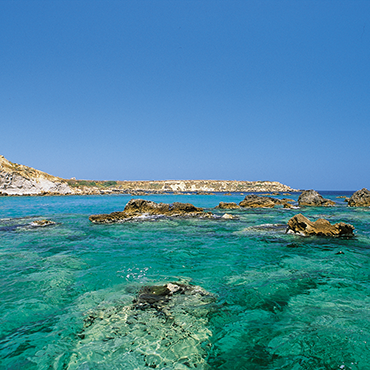
Med protection initiatives (management and conservation areas)
-
-
-
-
-
The challenge attempts to collect data on landings for the North Atlantic sea basin (i.e. north of the equator, excluding Caribe, Baltic, North Sea and Artic) and to compute: mass and number of discards by species and year, including fish, mammals, reptiles and seabirds. Data are presented in an Excel spreadsheet.
-
The objective of this tender is to examine the current data collection, observation and data assembly programmes in the Meditterranean Sea, identify gaps and to evaluate how they can be optimised.
-
The challenge attempts to collect discards data for the North Atlantic sea basin (i.e. north of the equator, excluding Caribe, Baltic, North Sea and Artic) and to compute: mass and number of discards by species and year, including fish, mammals, reptiles and seabirds. Data are presented in an Excel's spreadsheet.
-
The challenge attempts to collect discards data for the North Atlantic sea basin (i.e. north of the equator, excluding Caribe, Baltic, North Sea and Artic) and to compute: mass and number of discards by species and year, including fish, mammals, reptiles and seabirds. Data are presented in an Excel's spreadsheet.