 Catalogue PIGMA
Seagrass
Type of resources
Available actions
Topics
Keywords
Contact for the resource
Provided by
Years
Formats
Representation types
Update frequencies
status
Scale
Resolution
-
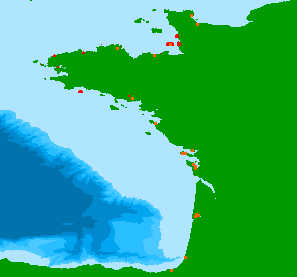
French Zostera Marina et Zostera Noltei abundance data are collected during monitoring surveys on the English Channel / Bay of Biscay coasts. Protocols are impletmented in the Water Framework Directive. Data are transmitted in a Seadatanet format (CDI + ODV) to EMODnet Biology european database. 35 ODV files have been generated from period 01/01/2004 to 31/12/2021 for Z. Marina and from 01/01/2011 to 31/12/2021 for Z. Noltei.
-
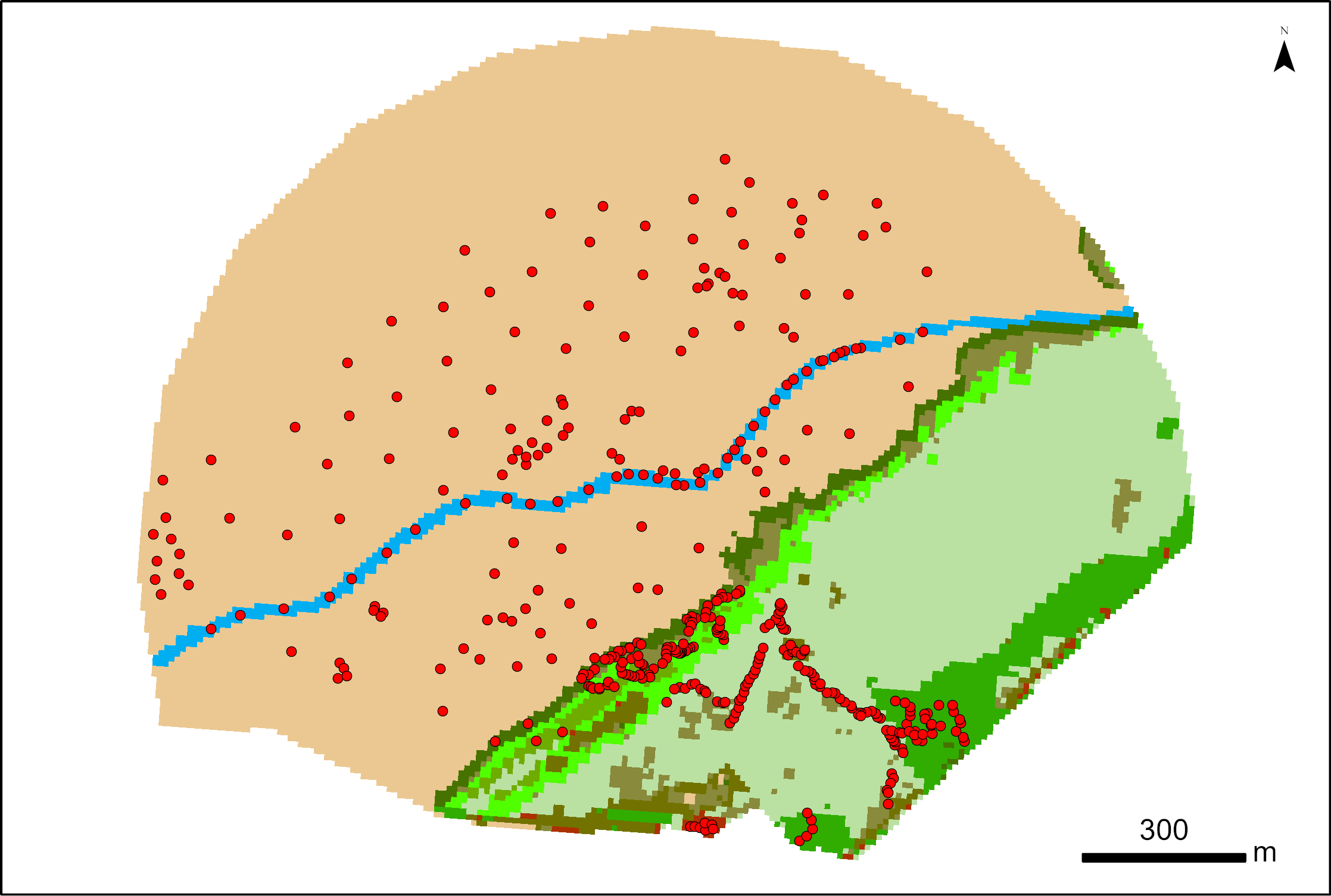
387 points were surveyed with a SP80 DGPS by Maxime Paschal as part of the La Rochelle Zero Carbon Territory (LRTZC) project on 26/05/23. At each point, the type of vegetation was specified.
-

A total of 210 points in 2024 (28 May, 18 april, 13 September, 19 September, and 25 October) and 195 points in 2025 (8 April, 18 and 29 April, 3 June, 17 June, and 4 July) were surveyed with an SP80 DGPS as part of the ESA Coastal Blue Carbon project. Additionally, 174 and 160 points obtained from photointerpretation of multispectral drone orthomosaics from 19 September 2024 and 18 September 2025, respectively, were recorded. At each point, the vegetation type was specified.
-
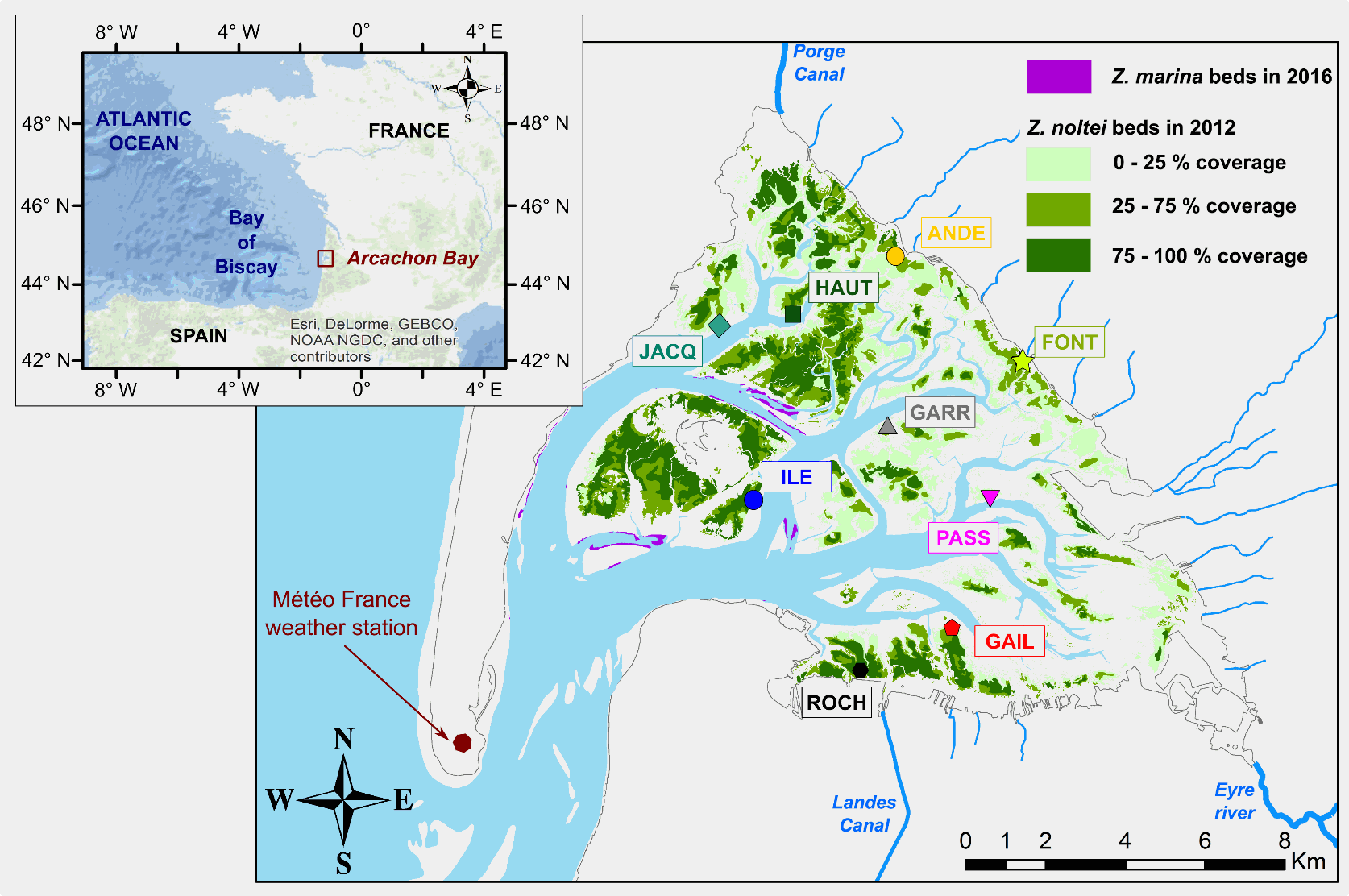
The ReZoEnv field campaign was conducted at 9 sites distributed within contrasted seagrass (Zostera notlei) meadows in the Arcachon Bay. This multi-parameter survey was conducted during one year (November 2015 – November 2016). Water levels, temperature and light were recorded every 10 minutes. While bed sediment characteristics (granulometry, water content, organic matter content), seagrass characteristics (coverage, biometry, chlorophyll and CNP content) were measured monthly. Additionally, wind-wave parameters were obtained from high frequency pressure sensor at 4 sites, every 20 minutes. List of sites : - ANDE : 44.745091 N, 1.121366 O - FONT : 44.722631 N, 1.080133 O - GAIL : 44.662573 N, 1.099575 O - GARR : 44.705132 N, 1.121562 O - HAUT : 44.729331 N, 1.15608 O - ILE : 44.683117 N, 1.162716 O - JACQ : 44.724563 N, 1.181109 O - PASS : 44.689927 N, 1.089491 O - ROCH : 44.648529 N, 1.127736 O
-
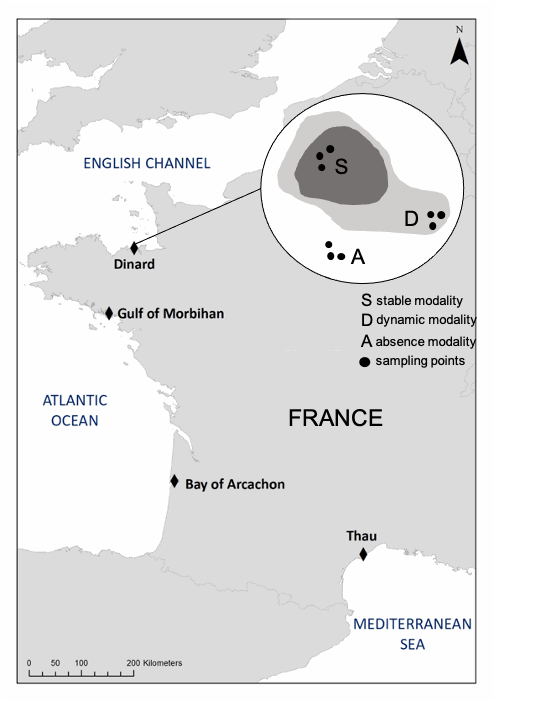
The data concerns the structure and morphometry of the seagrasses Zostera marina and Zostera noltei, the diversity of the associated epifauna and the benthic fluxes of oxygen, carbon and nutrients. The dataset includes 103 sampling events divided among four sites and spread across three distinct marine biogeographic regions (i.e. the English Channel, Bay of Biscay and Western Mediterranean), and up to five seasons, depending on the site. The sampling scale allows inter-site and intra-habitat comparisons . Environmental conditions are also described at the site scale. As the most comprehensive and broadscale French dataset on seagrass structure and functioning to date, it is useful for both data analysis and management actions.
-
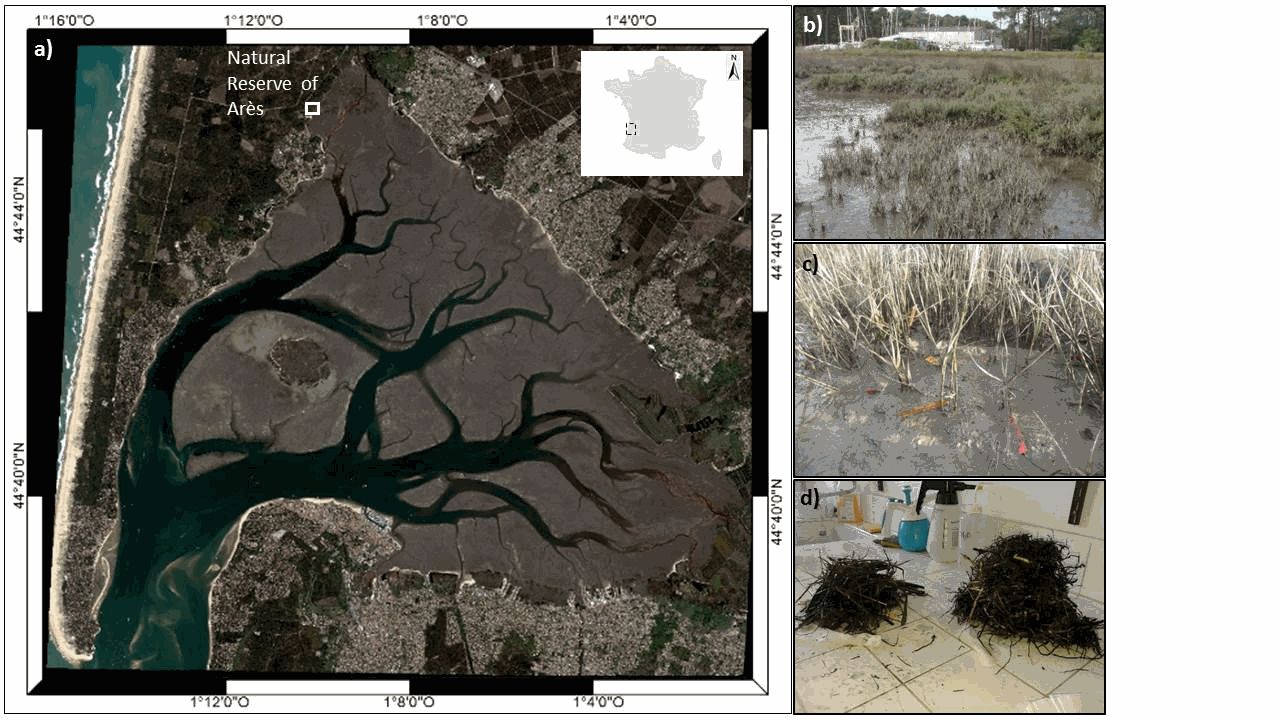
Questions: Invasiveness depends in part on the ability of exotic species to either exclude native dominants or to fill an empty niche. Comparisons of niches and effects of closely related native and invasive species enable the investigation of this topic. Does Spartina anglica invade European salt marshes through competitive exclusion of the native Spartina maritima or due to the occurrence of an empty ecological niche in highly anoxic conditions? Location: The Arcachon Bay (France). Methods: At three intertidal levels, we quantified competitive response and effect abilities of the two species through a cross-transplantation removal experiment. We also compared at three intertidal levels the biomass, root/shoot ratio, productivity and environmental conditions (elevation, salinity, potential redox and soil moisture) of salt marsh communities dominated by the exotic Spartina anglica or the native Spartina maritima. Results: Both established species showed similar biotic resistance to the invasion of the other species, but the exotic showed important intraspecific facilitation for growth. Species had similar niches and total biomass along a gradient of anoxic conditions, but the exotic had a much higher root/shoot ratio and productivity than the native. Owing to its rhizome density, the exotic showed a high ability to increase sediment oxygenation, likely to explain its important intraspecific facilitation. Conclusions: Our results showed that the invasion success of S. anglica cannot be explained by the competitive exclusion of the native or by its ability to fill an empty niche along a gradient of anoxia. Its behaviour as a self-facilitator invasive engineer is very likely to explain its rapid spread in the Bay and biotic resistance to the colonization of other congeneric species when established in dense patches. Additionally, we suggest that physical disturbance in the marsh communities dominated by the native S. maritima may disrupt its biotic resistance against the invasion of S. anglica.
-
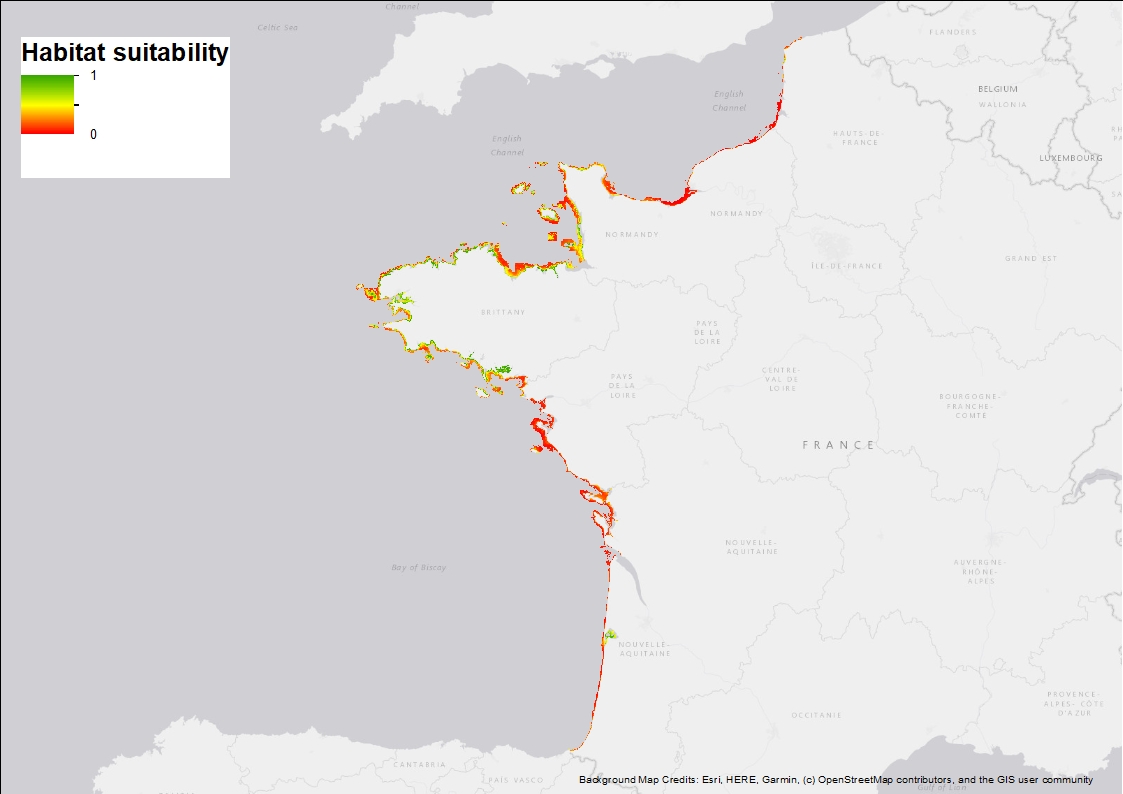
Ten Random Forest models were fitted in order to characterise the environmental niche and to predict the potential spatial distribution of Zostera marina along the French western seaboard. 3 rasters are provided: 1) Habitat suitability index (values ranging from 0 to 1 when conditions are estimated to be optimal), 2) standard deviation around the mean habitat suitability index, and 3) binary suitability estimates (0= not suitable, 1=suitable). These model estimates indicate areas where the species may occur and are overall consistent with field observations but note that these maps are model-based and do not correspond to actual field observations.