Catalogue PIGMA
ESRI Shapefile
Type of resources
Available actions
Topics
Keywords
Contact for the resource
Provided by
Years
Formats
Representation types
Update frequencies
status
Scale
Resolution
-
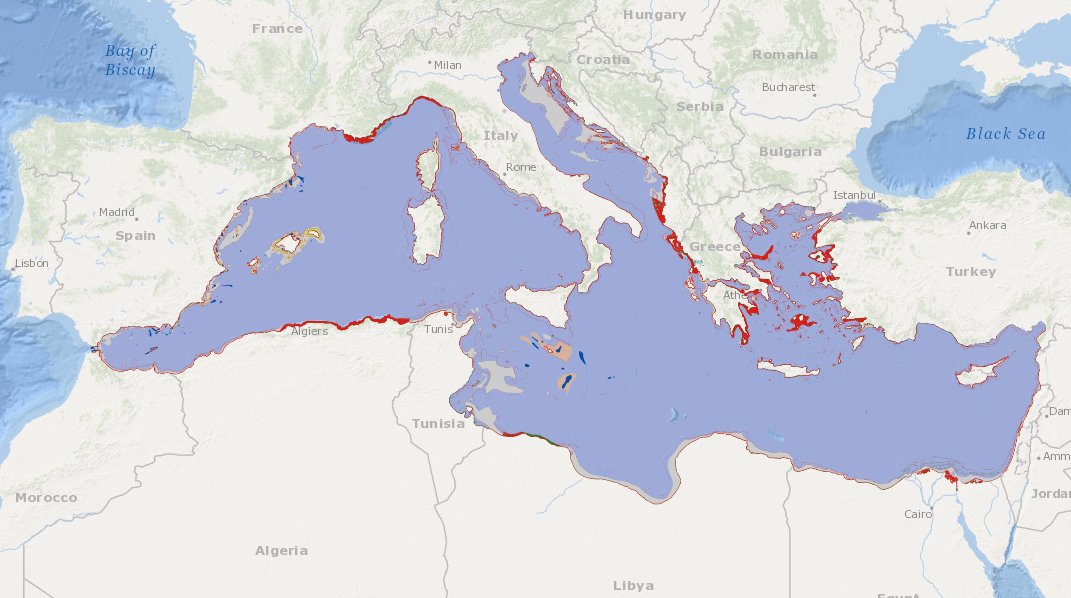
to deliver maps showing the extent of the trawling fishing grounds for identifying the areas which are most disturbed by bottom trawling and the changes in level of disturbance over the past ten years and identifying the gaps of fishing vessels’ tracking systems in the Mediterranean Sea
-
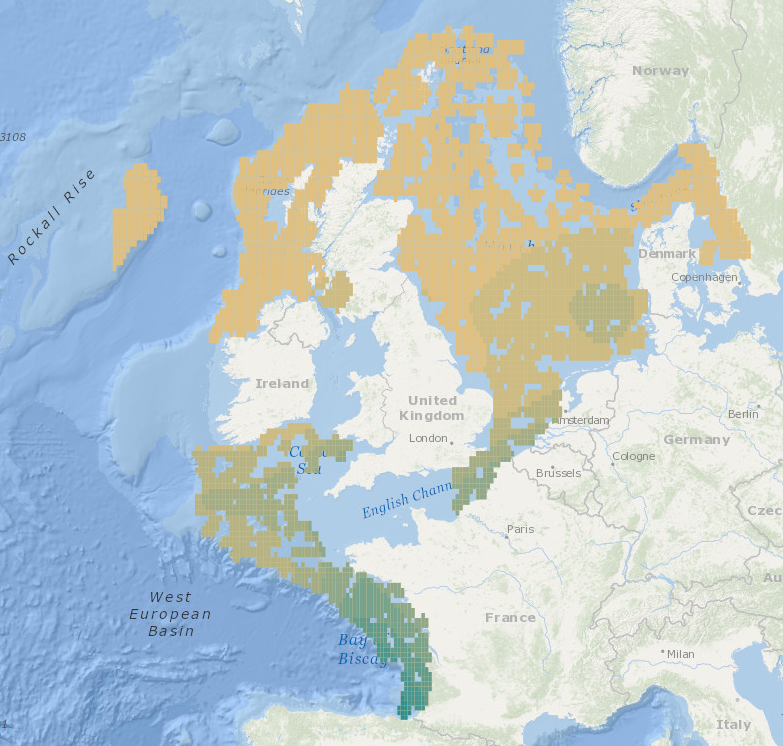
Intermediate Assessment 2017 - Seabed Litter - Litter is widespread on the seafloor across the area assessed, with plastic being the predominant material encountered. In the areas assessed, higher amounts of litter are found in the Eastern Bay of Biscay, Southern Celtic Seas and English Channel relative to the north of the Greater North Sea and Celtic Seas.
-
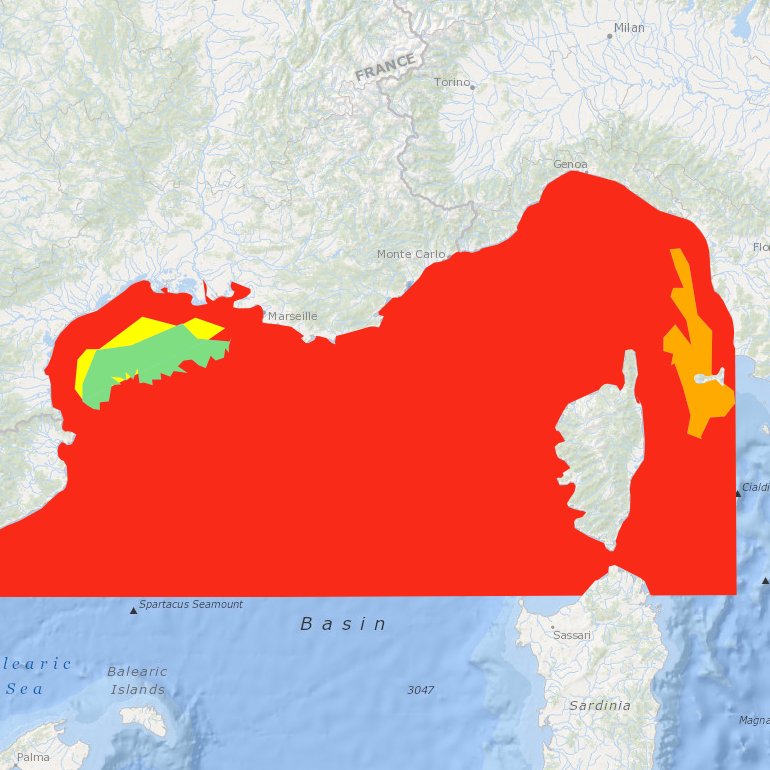
Suitability index of a wind farm in the NWMed concerning the environmental resources, the natural barriers, human activities, MPA and fisheries.
-
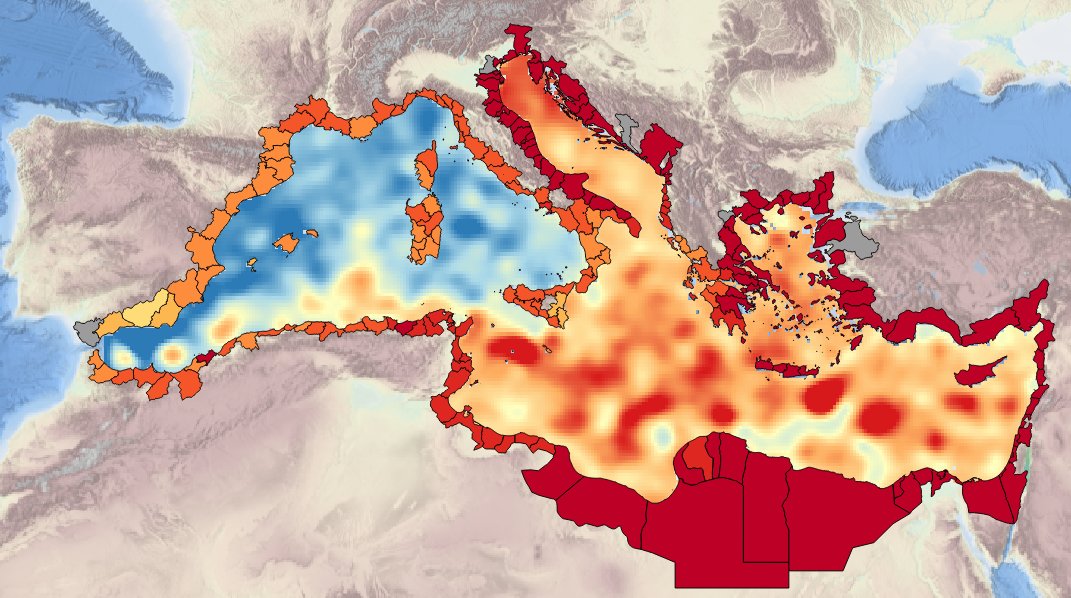
Description ot the spatial layers attributes of sea level trend for the last 50 and 100 years for the Mediterranean basin and for each NUTS3 region along the coast.
-
-
Calculation of the average annual sediment balance per stretch of coast for the past 50 years for all coastal zones bordering the North Atlantic Ocean. For this scale of study, this has been interpreted in terms of shoreline advance / retreat in mm/year. Required data sources are therefore national or international datasets giving this parameter directly. It is also possible to utilise more aggregated data sources, but annual values would then be approximated from them. The main challenge in producing this product lies with obtaining datasets which include this data from multiple countries and potentially multiple languages, since this data is usually produced as a result of comparatively small scale studies.
-
-
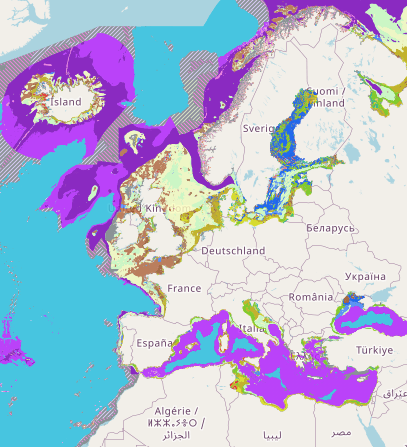
Output of the 2019 EUSeaMap broad-scale predictive model, produced by EMODnet Seabed Habitats and aggregated into the Benthic Broad Habitat Types of the Marine Strategy Framework Directive (as defined in the Commission Decision 17 May 2017). The extent of the mapped area includes the Mediterranean Sea, Black Sea, Baltic Sea, and areas of the North Eastern Atlantic extending from the Canary Islands in the south to the Barents Sea in the north. The map was produced using a "top-down" modelling approach using classified habitat descriptors to determine a final output habitat. Habitat descriptors differ per region but include: - Biological zone - Energy class - Oxygen regime - Salinity regime - Seabed substrate - Riverine input Habitat descriptors (excepting Substrate) are calculated using underlying physical data and thresholds derived from statistical analyses or expert judgement on known conditions.
-
-