 Catalogue PIGMA
/Données dérivées/Produits composites
Type of resources
Available actions
Topics
Keywords
Contact for the resource
Provided by
Years
Formats
Representation types
Update frequencies
status
Scale
Resolution
-
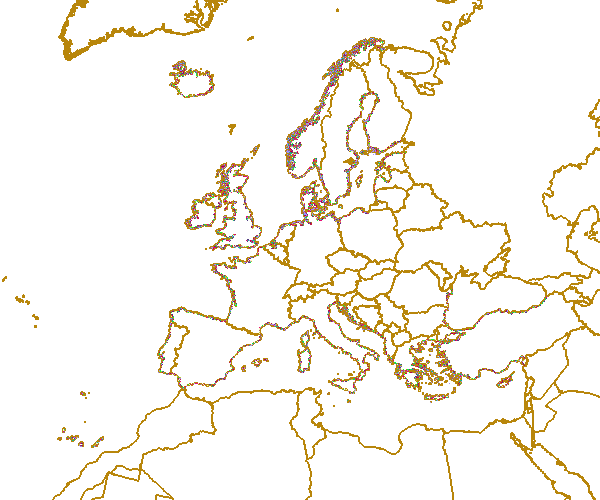
Coastal zones are presented as a series of 10 consecutive buffers of 1km width each (towards inland). For this dataset, were treated as sea data all areas with class values of 52x (521: coastal lagoons, 522: estuaries, 523: sea and ocean) in Corine Land Cover (details in lineage).
-
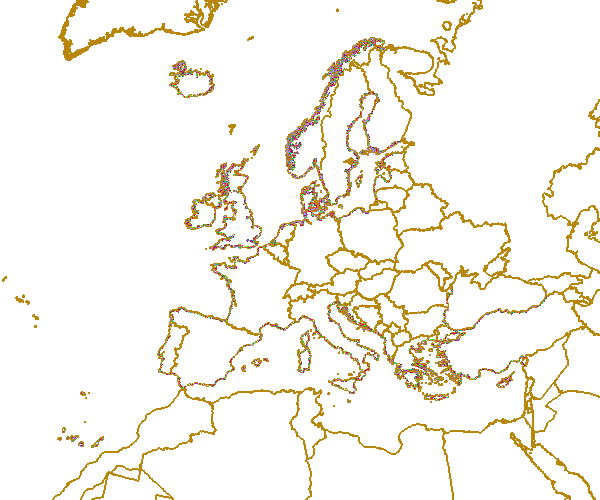
Coastal zones are presented as a series of 10 consecutive buffers of 1km width each (towards inland). For this dataset, were treated as sea data all areas with a class value of 523 (sea and ocean) in Corine Land Cover (details in lineage).
-
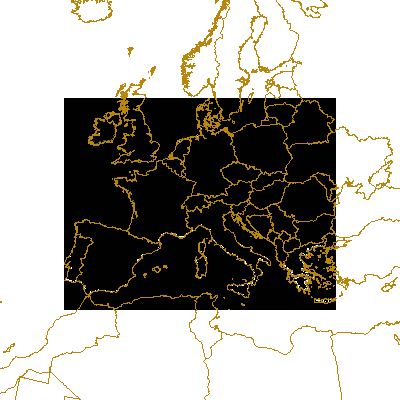
LaCoast is a research project undertaken in the mid 1990 under the lead of the Joint Research Centre (JRC) and aimed at quantifying the changes of land cover types in a 10 km land strip from the coastline. LaCoast uses CORINE Land Cover version 1990 as its reference dataset and track differences of land cover changes using LANDSAT satellite images from the mid-1970's.
-
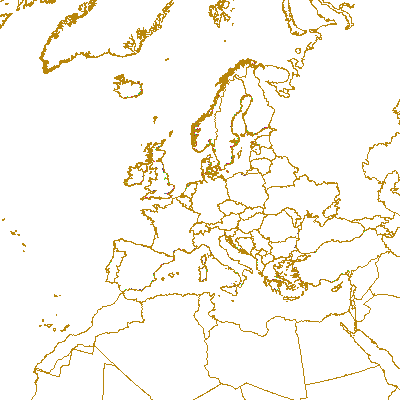
Coastal zones are presented as a series of 10 consecutive buffers of 1km width each (towards inland). For this dataset, were treated as sea data all areas with a class value of 523 (sea and ocean) in Corine Land Cover (details in lineage).
-
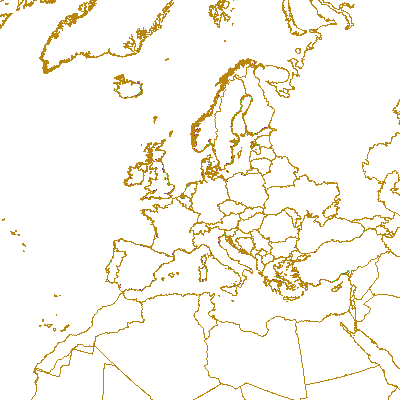
Coastal zones are presented as a series of 10 consecutive buffers of 1km width each (towards inland). For this dataset, were treated as sea data all areas with class values of 52x (521: coastal lagoons, 522: estuaries, 523: sea and ocean) in Corine Land Cover (details in lineage).
-
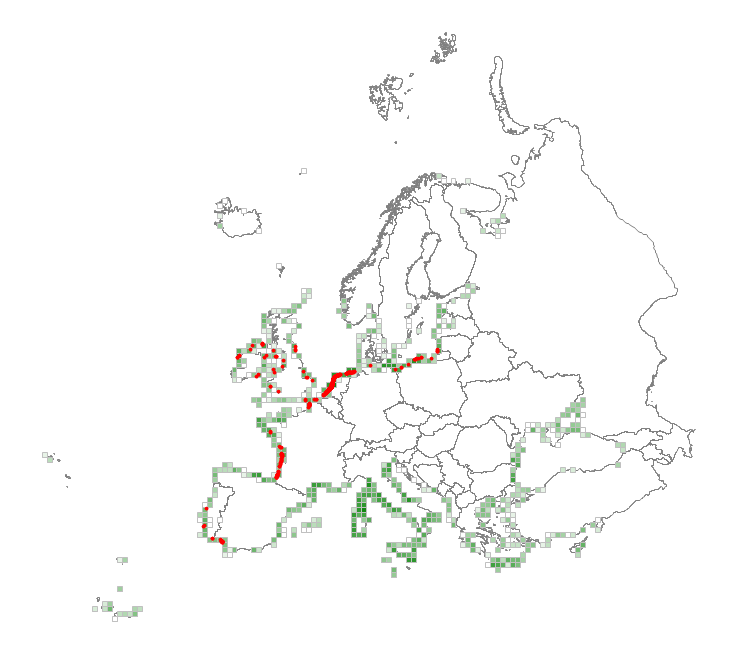
This metadata corresponds to the EUNIS Coastal habitat types, distribution based on vegetation plot data dataset. Coastal habitats are those above spring high tide limit (or above mean water level in non-tidal waters) occupying coastal features and characterised by their proximity to the sea, including coastal dunes and wooded coastal dunes, beaches and cliffs. Includes free-draining supralittoral habitats adjacent to marine habitats which are normally only very rarely subject to any type of salt water, in as much as they may be inhabited predominantly by terrestrial species, strandlines characterised by terrestrial invertebrates and moist and wet coastal dune slacks and dune-slack pools. Supralittoral sands and wracks may be found also in marine habitats (M). Excludes supralittoral rock pools and habitats, the splash zone immediately above the the mean water line, as well the spray zone and zone subject to sporadic inundation with salt water in as much as it may be inhabited predominantly by marine species, which are included in marine (M). The verified coastal habitat samples used are derived from the Braun-Blanquet database (http://www.sci.muni.cz/botany/vegsci/braun_blanquet.php?lang=en) which is a centralised database of vegetation plots and comprises copies of national and regional databases using a unified taxonomic reference database. The geographic extent of the distribution data are all European countries except Armenia and Azerbaijan. The dataset is provided both in Geodatabase and Geopackage formats.
-
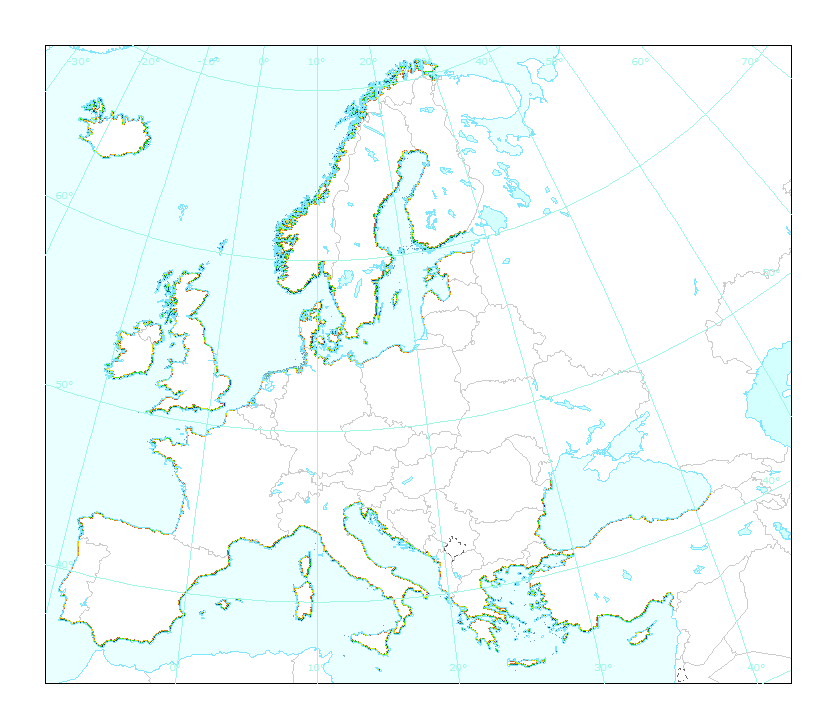
This dataset is the coastal zone land surface region from Europe, derived from the coastline towards inland, as a series of 10 consecutive buffers of 1km width each. The coastline is defined by the extent of the Corine Land Cover 2018 (raster 100m) version 20 accounting layer. In this version all Corine Land Cover pixels with a value of 523, corresponding to sea and oceans, were considered as non-land surface and thus were excluded from the buffer zone.
-
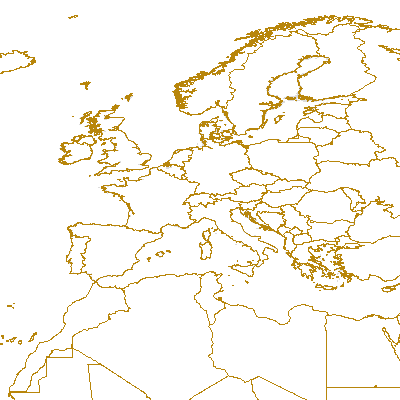
Complete Coastline Features for all the countries that produced Corine Land Cover 2000 and have a coastline, with detailed descriptions on the environment and type of coastal areas. Each coast segment has inherited CLC 2000 class, and also the attributes from Eurosion Coastline version 2.1 2004, regarding geomorphology, type of coast and erosion trends.
-
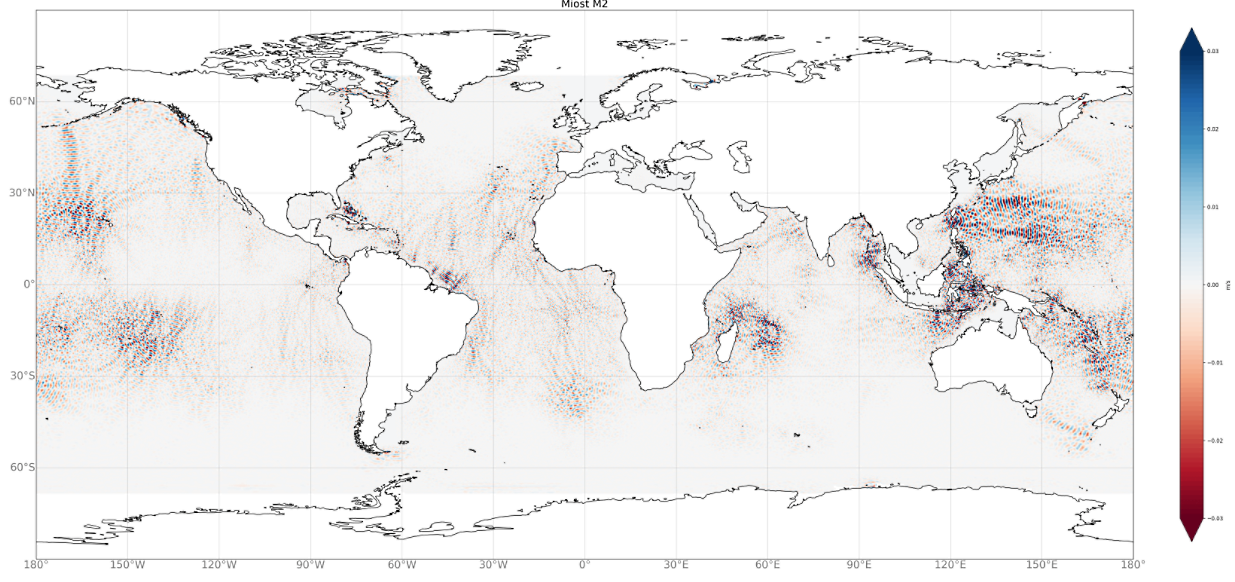
Produits du modèle Multivariate Inversion of Ocean Surface Topography- Internal Tide (MIOST-IT). La base de données MIOST-IT comprend 4 composantes de marées pour les élévations de surface de la marée interne de l'océan. Chaque composante de marée est décrite par 2 grilles (amplitude et phase) fournies sur une grille cartésienne 1/10°x1/10°: - Les élévations de la marée interne pour les quatre fréquences de marée M2, S2, K1, O1, sont disponibles en téléchargement. - Le code de prédiction des marées est également disponible au téléchargement,
-

Produits du modèle Multivariate Inversion of Ocean Surface Topography- Internal Tide (MIOST-IT). La base de données MIOST-IT comprend 4 composantes de marées pour les élévations de surface de la marée interne de l'océan. Chaque composante de marée est décrite par 2 grilles (amplitude et phase) fournies sur une grille cartésienne 1/10°x1/10°: - Les élévations de la marée interne pour les quatre fréquences de marée M2, S2, K1, O1, sont disponibles en téléchargement. - Les atlas régionaux sont aussi disponibles. - Un script python est également disponible au téléchargement (dans le dossier prediction/ ) pour calculer les prévisions de marée interne du modèle MIOST-IT sur une latitude, une longitude et des points temporels donnés et crée un fichier NetCDF qui contient les prédictions. Le produit MOST-IT est basé sur un processus de cartographie innovant utilisant la variabilité des modes océaniques et ingérant toutes les mesures altimétriques disponibles sur la quasi-totalité de la période altimétrique (depuis 1993). MIOST-IT24 est un atlas global des marées internes cohérentes développé en 2024-2025. Cet atlas représente une version mise à jour de MIOST-IT (appelé ici MIOST-IT22), publié en 2022 par Ubelmann et al. (2022).