Catalogue PIGMA
ESRI Shapefile
Type of resources
Available actions
Topics
Keywords
Contact for the resource
Provided by
Years
Formats
Representation types
Update frequencies
status
Scale
Resolution
-
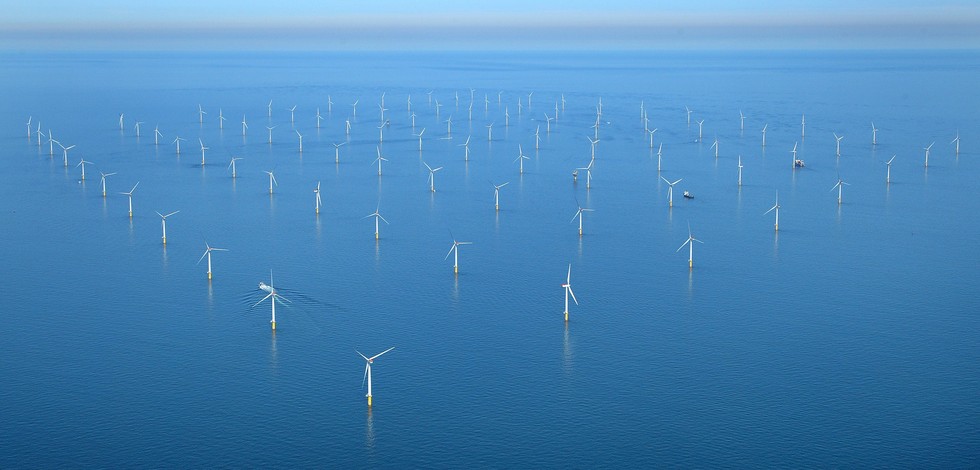
Suitability index of a wind farm in the NWMed concerning the environmental resources, the natural barriers, human activities, MPA and fisheries.
-
Temporal series (annual mean values) with error of estimation and Long Term Average (LTA) with error of estimation of total nitrogen load for each river mouth where in situ data is available. Different sources can be mixed if any.
-
to deliver maps showing the extent of the trawling fishing grounds for identifying the areas which are most disturbed by bottom trawling over the past ten years and identifying the gaps of fishing vessels’ tracking systems in the Mediterranean Sea
-
Calculation of the average annual sediment balance per stretch of coast for the past 50 years for all coastal zones bordering the North Atlantic Ocean. For this scale of study, this has been interpreted in terms of shoreline advance / retreat in mm/year. Required data sources are therefore national or international datasets giving this parameter directly. It is also possible to utilise more aggregated data sources, but annual values would then be approximated from them. The main challenge in producing this product lies with obtaining datasets which include this data from multiple countries and potentially multiple languages, since this data is usually produced as a result of comparatively small scale studies.
-
-
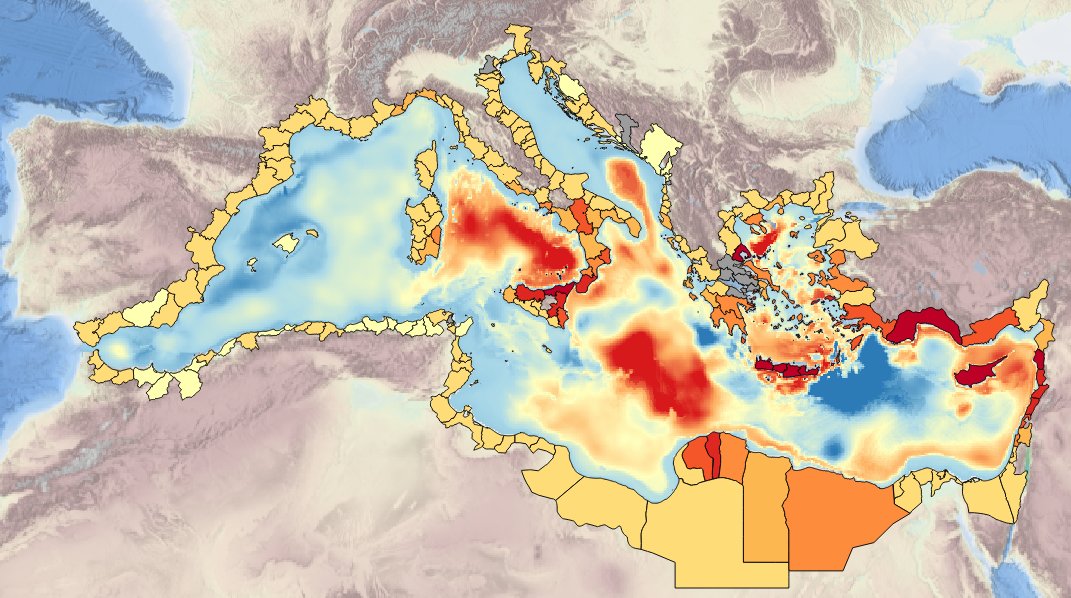
Specification of the desirable and recomended product attributes for generating spatial layers of sea surface temperature trend for the last 10, 50, 100 years for the Mediterranean basin and for each NUTS3 region along the coast.
-

Ce jeu de données représente sous forme de polygones, les espaces situés à moins de 200m de terrains en nature de bois et forêt, appelés "zones exposées au risque feu de forêt", dont les paramètres sont précisés par l'article R133-5 du Code forestier. Ces zones sensibles au risque d'incendie de forêt comprennent les formations forestières ainsi que la zone périphérique de 200m de large les entourant. Sur cet ensemble s'applique une règlementation particulière afin d'y réduire le risque. Notamment concernant l'obligation légale de débroussaillement qui s'applique dans ces espaces, cette cartographie est annexée aux plan locaux d'urbanisme ou aux documents d'urbanisme en tenant lieu (article L134-15 du Code forestier).
-

-
-